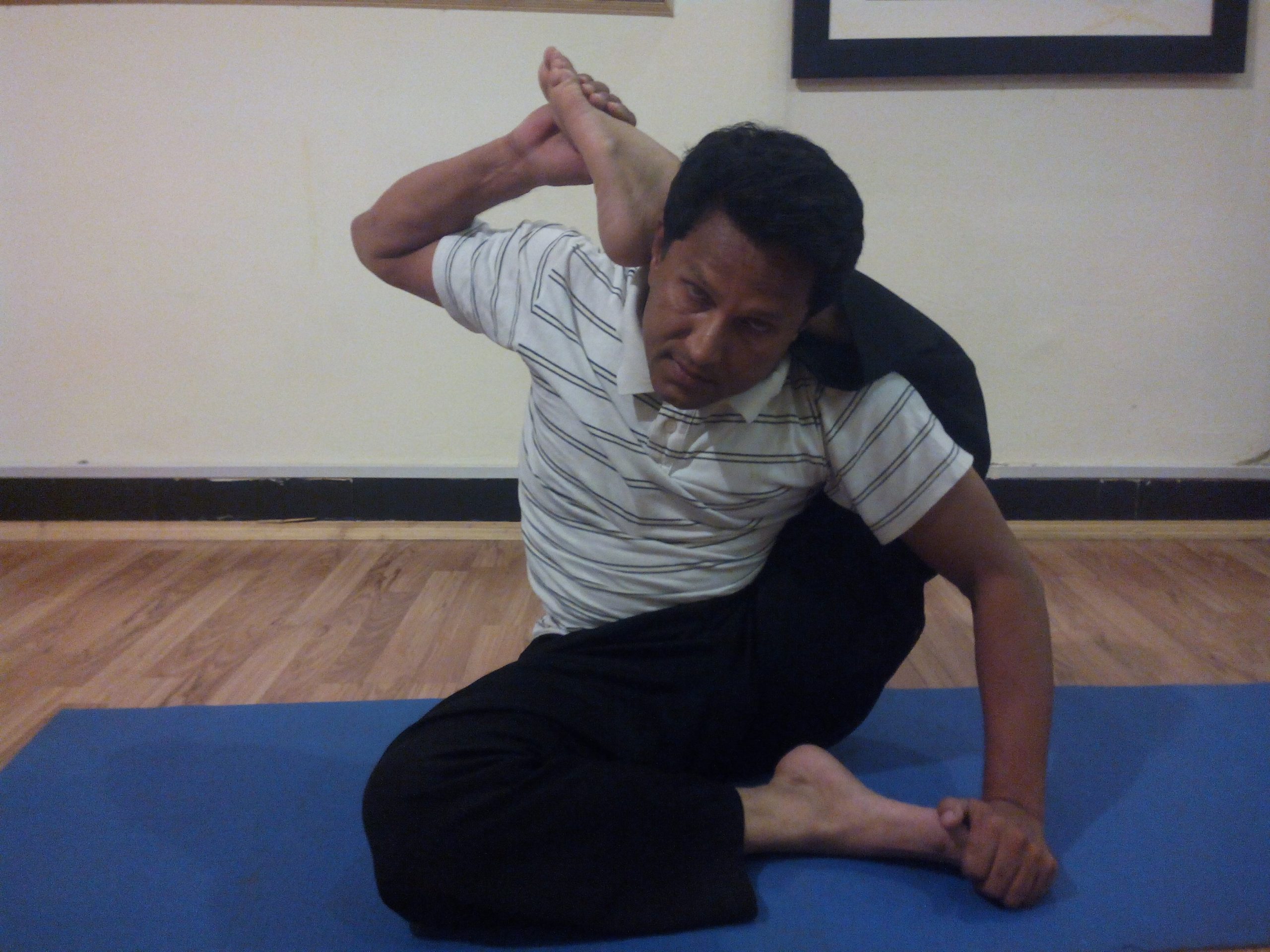
Inner Meditation where the practitioner focuses their attention on the Divine with full awareness. It involves sitting in a quiet place, closing the eyes, and concentrating deeply on God’s presence. This practice encourages a profound connection with the Divine, helping practitioners experience spiritual awareness and insight.
How To Perform A Inner Meditation Step-by-Step
Here’s a simple, step-by-step guide on how to perform Inner meditation, focusing on Dhikr and Muraqaba as the primary practices:
Step 1: Prepare Your Space
Find a quiet and peaceful place where you won’t be disturbed.
Sit comfortably, either on a cushion or chair, with your back straight and your body relaxed.
You may want to dim the lights or light a candle to create a serene atmosphere.
Step 2: Center Yourself
Take a few deep breaths to calm your mind and body. Inhale slowly through your nose, hold for a moment, and then exhale gently through your mouth.
Close your eyes to reduce distractions and bring your focus inward.
Step 3: Begin with Dhikr (Remembrance of Allah)
Choose a word or phrase to repeat, such as the name of Allah, or a sacred phrase like “La ilaha illallah” (There is no god but Allah).
Start repeating this word or phrase silently in your mind, or if you prefer, say it aloud in a soft voice.
As you repeat, try to focus deeply on the meaning of the words, allowing them to resonate in your heart and mind.
Tip: Try to maintain a steady rhythm while chanting. You can choose to chant for a set amount of time, such as 10, 15, or 30 minutes, or until you feel a sense of calm.
Step 4: Focus on the Heart (Muraqaba)
Now, shift your attention to your heart. Imagine that your heart is a space where God’s presence resides.
Visualize a light or warmth in your heart area that represents the Divine. This could be a soft golden light or a warm, loving feeling.
Continue with your chanting (Dhikr) while keeping your awareness focused on the sensation in your heart. Feel the connection to the Divine growing stronger with each repetition.
Step 5: Let Go of Distractions
As you meditate, thoughts may arise. When they do, simply acknowledge them without judgment and gently return your focus to the Dhikr and your heart.
If you feel your mind wandering, remind yourself to stay present with each breath and chant. Be patient with yourself.
Step 6: Reflect and Offer Gratitude
After your meditation session, take a moment of silence to reflect on your experience.
Express gratitude to God for the opportunity to connect and meditate. Allow any feelings of peace or love to fill your heart.
Slowly open your eyes and return to the present moment, carrying the calmness and spiritual connection with you.
Step 7: Practice Regularly
To deepen your practice, try to meditate regularly, whether daily or a few times a week. Consistency will help you grow spiritually and experience greater peace and connection with the Divine.
Conclusion
Inner meditation helps in spiritual growth by bringing inner peace, a deeper connection to God, and qualities like love, humility, and patience. Practices like Dhikr (remembering God) and Muraqaba (focused awareness) help guide people on a path of self-discovery and transformation.
If you’re interested, try exploring Inner meditation for personal growth. It’s a simple yet powerful way to connect with your inner self and the Divine, leading to lasting peace and spiritual benefits.